Blog
Complexity-thinking: selection of sources
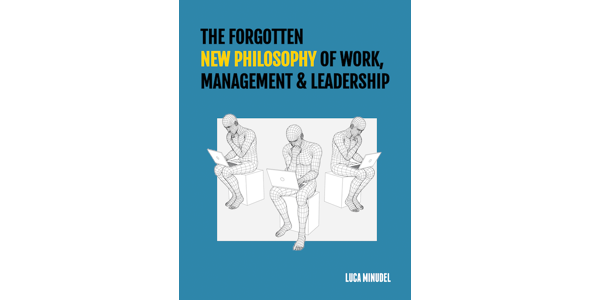
Selection of sources worth following from the book: The forgotten new philosophy of work, management & leadership
Agile: How practitioners have changed from the pioneers to today
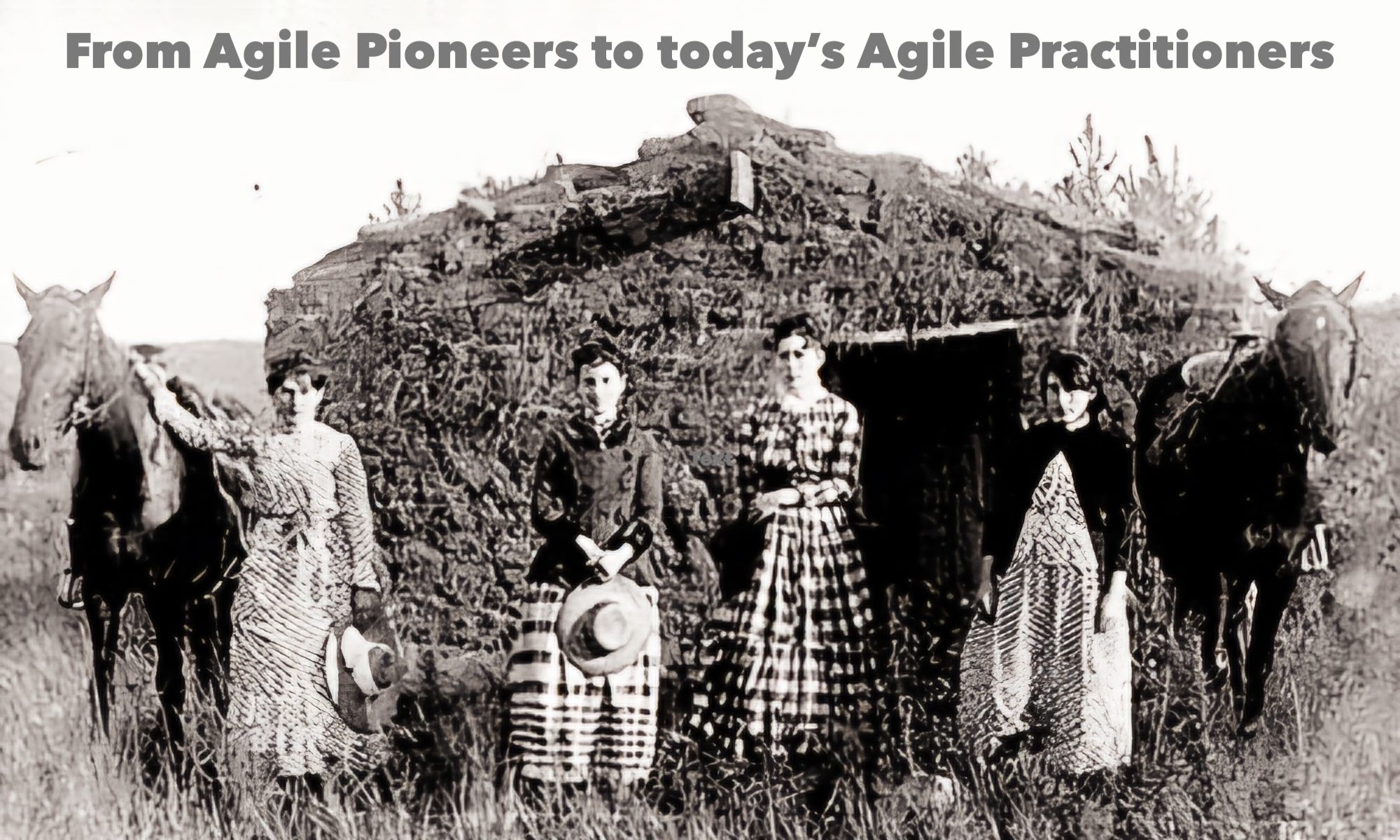
Many have already explored the trajectory of Agile adoption, the changes in sentiment toward Agile, and the recent challenges.
This is a new look at how the population of Agile practitioners changed over time.
When/How to move effectively tasks/responsibilities outside the team (2-part)
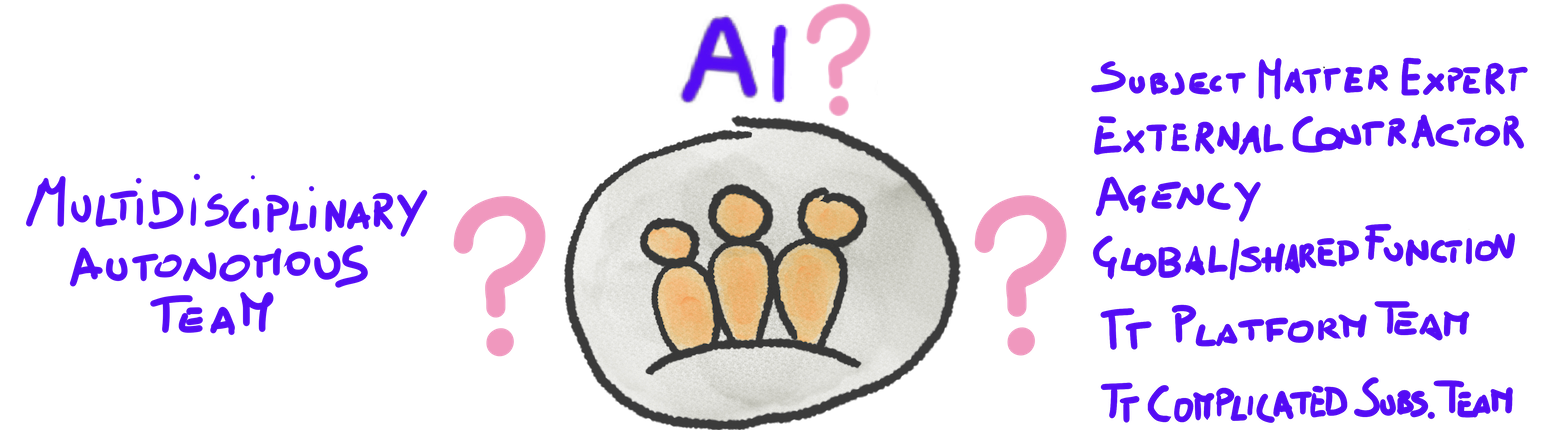
Whether it is to a Subject Matter Expert, an external contractor, an Agency, a Global/shared Function, a Team Topologies’ Platform team or a Complicated subsystem team, when and how can some tasks and/or responsibilities be effectively moved outside the team?
Transcending Agile cross-team collaboration with Shared work (3-part)
Is there a valid alternative to Agile cross-team collaboration, one of the most consequential topics for successfully adopting Agile beyond one team? Should we tackle Agile cross-team collaboration challenges or transcend them?
Agile cross-team collaboration HOW-TOs (4-part)
This post is a four-part deep dive into the How-Tos of making Agile cross-team collaboration frictionless and enjoyable, in one word: effective. That is one of the most consequential topics for successfully adopting Agile beyond one team. Ironically, none of the current “scaled” solutions cut it.
Agile professional: don’t be taken hostage

Coaching literature extensively covers the “don’t collude” principle. But you also need to know the “don’t be taken hostage” principle.
A collection of videos + books + people to watch for modern leaders

A collection of short videos, interesting books, and inspiring thought leaders worth following, to test the whitewaters of modern leadership for modern organisations
Transcending the CapEx – OpEx dichotomy

There is a mismatch between the reality of modern software and digital products development and the binary separation between CapEx & OpEx. Let’s see how modern approaches overcome that.

Are OKRs really good for Innovation?

OKRs (Objectives and Key Results) are, for many organisations, still a relatively new term that, as such, can hold the promise of an idealised future while moving again the goalpost to a later tomorrow.
And the term OKR creates enough ambiguity allowing different conflicting interpretations (e.g. a new fancy name for KPIs) to coexists. But once OKRs are well understood and properly put to practice, are they really good for innovation?
Agile Automation practices outside IT

Automation practices in Agile Software Development have an important role. But what about Agile outside IT? What to automate? How to automate?
The wiki of Complexity inspired practices is live

Here the link to the wiki of Complexity inspired practices for software and digital products development
InfoQ Article: Practical Applications of Complexity Theory in Software and Digital Products Development

An InfoQ article on practices inspired by Complexity theory that can be used everyday in Software and Digital Products development
